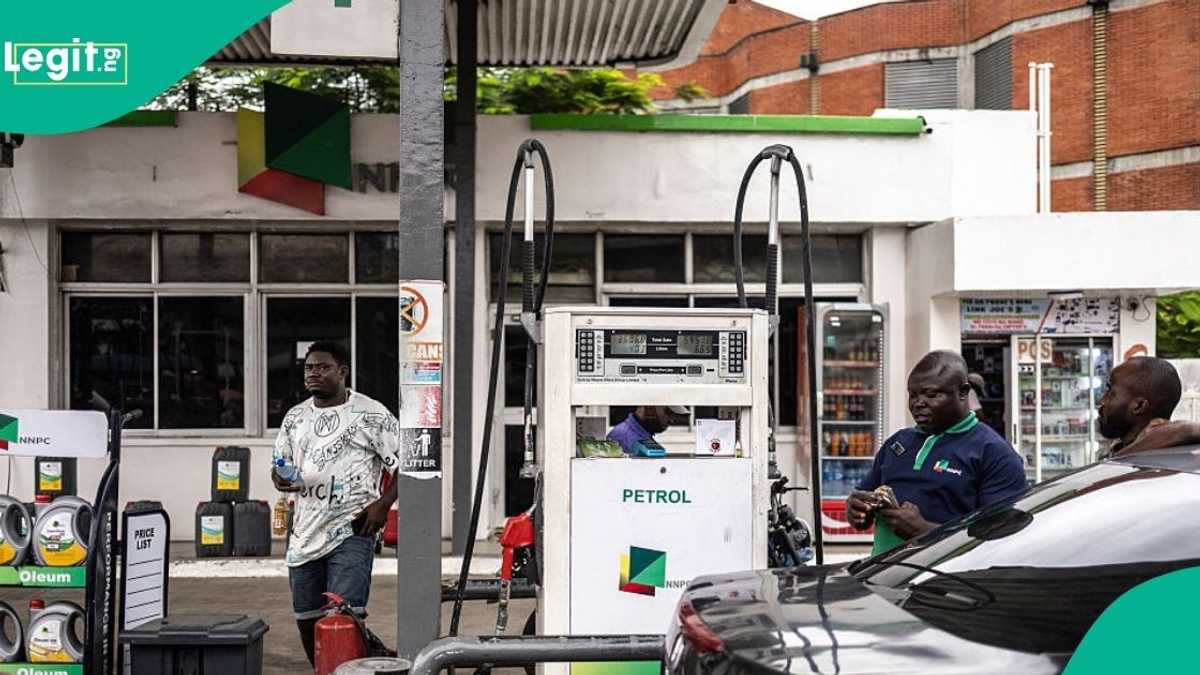
Petrol prices have fallen below Dangote Refinery’s benchmark rate in three major Nigerian cities, with depots in Calabar, Warri, and Port Harcourt now selling at ₦1,330 per litre. The development comes as supply increases across the region, putting downward pressure on pump costs that had been anchored at the ₦1,350 rate set by the Dangote Refinery. Lagos Deeper stocks and other import-related outlets have also adjusted their pricing in response to the shifting market dynamics.
According to the report from Legit.ng, Calabar depots are offering PMS at ₦1,330 per litre, while Warri and Port Harcourt prices have also undercut the Dangote Refinery benchmark. The report notes that these three cities, all located in the Niger Delta region, are benefiting from increased local supply and distribution efficiency.
The price adjustment reflects a broader trend of increased petroleum product availability in the region. Depots in the oil-producing states have historically operated at rates close to or above the Dangote Refinery’s benchmark, but the current shift suggests improved supply chains and potentially reduced transport costs. The ₦1,330 price point in these cities represents a significant departure from the ₦1,350 benchmark that had been the reference point across many parts of the country.
Lagos, which typically serves as the commercial hub for fuel distribution, has seen its Deeper stocks also adjust downward, though the report indicates that prices in the Lagos market remain influenced by import dynamics and broader distribution costs. The gap between Lagos pricing and the three Niger Delta cities highlights the regional disparities that still exist within the downstream petroleum sector.
Industry observers note that the price drop comes at a time when the country is grappling with the aftermath of fuel subsidy removal and the transition to market-determined pricing. The Dangote Refinery, which began full operations in recent years, has been positioned as a major player in determining petroleum product prices across Nigeria. The fact that prices in key distribution hubs are now falling below the refinery’s stated rate suggests that market forces are beginning to assert themselves beyond the refinery’s direct control.
The development may have implications for household transportation costs, commercial transport operations, and the broader inflation outlook. For many Nigerians, petrol prices remain one of the most visible indicators of economic conditions, and any sustained downward movement is likely to be closely monitored by both consumers and policymakers.
As of the reportage, no official statement from the Dangote Refinery or the Nigerian National Petroleum Company had been issued commenting on the price adjustments in the three cities. The market response will likely depend on whether the lower prices persist and whether they translate into broader changes across the national petroleum market.